Standing Room or Seated Hall: Two Ways to Hear a Show
Standing room or seated hall? Compare movement, attention and room sound to choose a concert setting that suits the way you want to listen.

Standing room or seated hall is a choice about how you want to listen, not simply where you want to stand or sit. In a standing room, the crowd’s movement becomes part of the performance; in a seated hall, the fixed position can make musical detail easier to follow. Use the days before a show to decide which kind of attention you want to give it.
What do you want your attention to follow?
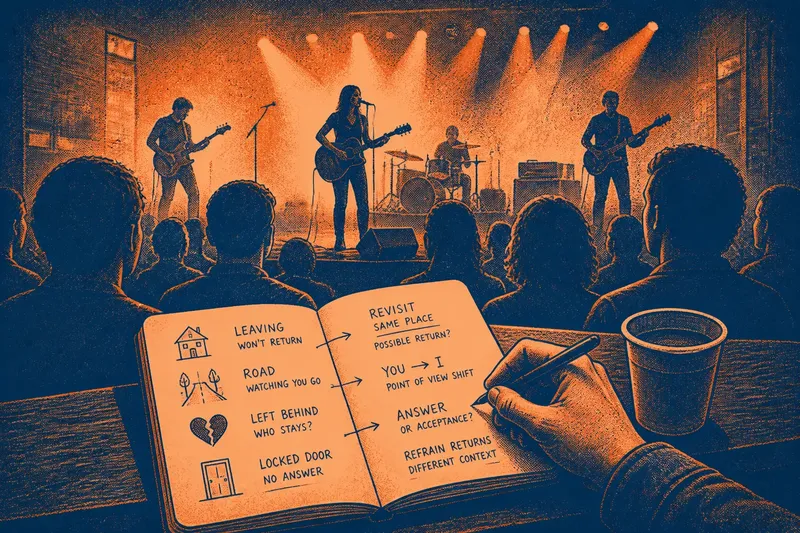
Start with the music rather than the venue’s reputation. If you want to move with a steady pulse, respond to changes in energy and feel the audience gather around a chorus, standing room may suit you. The shifting view and nearby motion are part of its listening texture.
If you want to follow a singer’s phrasing, the shape of a quiet passage or the exchange between instruments, a seat can help you settle on the sound. Sitting does not make a performance more attentive by default. It simply removes some of the pressure to manage your position and movement as the music unfolds.
Think about your own habits at a show. Do you naturally sway, dance or turn towards other listeners? Or do you prefer to stay still and notice how a melody changes when the backing drops away? Neither preference is more serious; they point towards different ways of being present.
How does standing room change the listening?
Standing audiences respond visibly. A crowd may shift as people make room, move together through a familiar rhythm or turn its attention towards a soloist. Those reactions can make a performance feel communal, but they also mean your view and sense of space can change during the set.
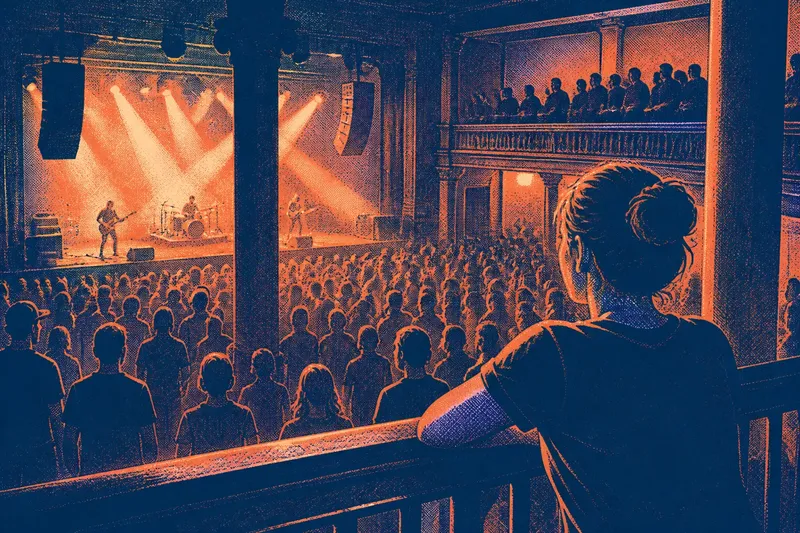
Sound can feel close and immediate in a standing room, especially when the stage is near the audience. Yet closeness is not the same as clarity: voices around you, movement and the room’s acoustics all influence what reaches your ears. If you are deciding between two events, check the venue’s seating plan and event information rather than assuming every standing space behaves alike.
Choose standing room if movement is part of what you hope to hear and feel. Before the show, consider how comfortable you are remaining on your feet and whether you would rather be near the front or have more room around you. The aim is not to claim a particular patch of floor, but to pick a place where you can attend to the performance without constantly negotiating your position.
What can a seated hall make easier to hear?
A seat gives you a consistent orientation. You can keep your attention on a performer, watch several musicians at once or listen for quieter details without adjusting your stance around the people beside you. That steadiness can be especially welcome when the music asks for patience rather than bodily response.
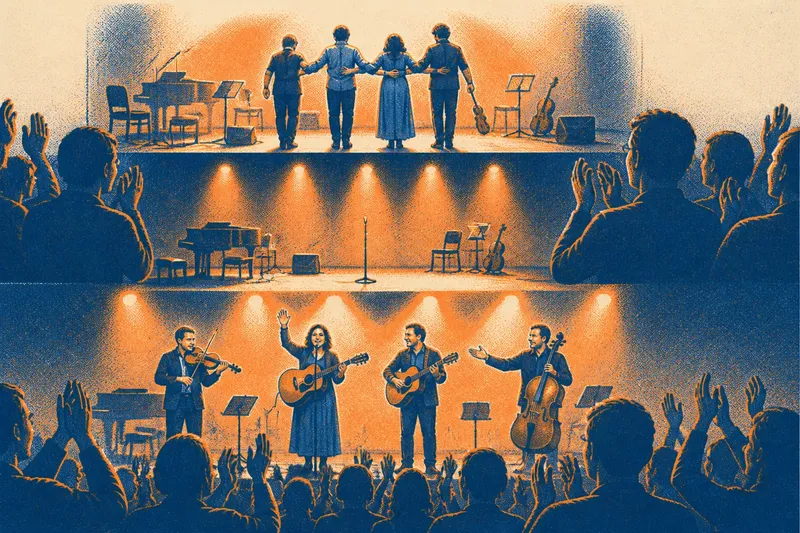
Seated halls also shape audience behaviour. People may applaud, lean forward or remain still through a passage, but the room usually gives each listener a defined place. This can make small shifts in the performance easier to notice: a change in vocal weight, a pause before a line or a brief contrast between instruments.
A seat is not automatically the best choice for every show. If you want to dance or respond freely, a formal arrangement may feel restrictive. Look at the venue’s layout and the nature of the event, then ask whether you would spend the evening wishing you could move or wishing you could settle.
How can you choose a concert format during the week?
A simple routine can make the decision without turning it into a search for the “best” venue. Start with the sort of listening you want, then check the practical details that could affect your evening.
- Several days before: Name the experience you want: shared movement, close energy, quiet concentration or a steady view of the musicians.
- Next: Check whether the event is standing, seated or mixed. Read the venue’s description for layout details, not just capacity or promotional language.
- Then: Consider the music’s likely shape. A dance-led set may invite movement; a sparse arrangement may reward a settled position. Treat this as a preference, not a rule.
- Before deciding: Think about your comfort in a crowd or in a fixed seat. If access needs matter, contact the venue directly about its available arrangements.
- On the day: Arrive with a listening intention. In standing room, notice how the crowd responds; in a seat, follow a musical detail you might otherwise miss.
Say you are choosing between a standing club show and a seated hall performance by the same kind of ensemble. If you want to feel the rhythm spread through the crowd, pick the club and make room for movement; if you want to hear how the quieter instruments answer the singer, choose the hall and settle into that exchange. The useful outcome is a clear expectation, not a prediction that one room will sound better.
Which format suits your listening style?
Is standing room better for dancing?
It can be a natural fit when movement is part of your response to the music. Check the event’s arrangement and decide whether you want to move freely or listen from a less busy part of the space.
Is a seated hall better for hearing musical detail?
A fixed seat can make it easier to stay still and attend to quieter passages or changes between instruments. The room’s acoustics and your location still shape what you hear.
Can a seated audience still feel involved?
Yes. Listening closely, responding to a singer or sharing a moment of silence can all be active forms of attention, even without dancing or moving around.
What if the event offers both standing and seated areas?
Compare the layout with the experience you want: movement and proximity, or a stable place from which to follow the show. Check the event details for how those areas are arranged before choosing.
What is not worth overthinking?
It is not worth treating a standing floor as automatically more energetic or a seated hall as automatically more refined. Those labels cannot tell you how the particular performance will feel, and they can distract from the choice that matters: how you want to direct your attention.
For standing room or seated hall, make the decision around the kind of listening you want to carry into the room. A good choice leaves you able to follow the music on its own terms, whether that means moving with other people or staying still long enough to catch a small change in the sound.